Hot Red Hydrangeas: The Ultimate Guide To Growing And Caring For These Beautiful Shrubs
Hot Red Hydrangeas: The Ultimate Guide to Growing and Caring for These Beautiful Shrubs
Hydrangeas are some of the most popular flowering shrubs in the world, and for good reason. They come in a wide variety of colors, sizes, and shapes, and they can add a touch of beauty to any garden. Hot red hydrangeas are a particularly striking variety, with their deep crimson blooms. If you're thinking about adding hot red hydrangeas to your garden, here's everything you need to know about growing and caring for them.
Choosing the Right Location
Hot red hydrangeas prefer full sun or partial shade. They will tolerate full sun in cooler climates, but they may need some afternoon shade in warmer areas. Hot red hydrangeas also need well-drained soil. If your soil is heavy clay, you may need to add some sand or compost to improve drainage.
Planting Hot Red Hydrangeas
The best time to plant hot red hydrangeas is in the spring or fall. When planting, dig a hole that is twice as wide as the root ball of the plant. Add a few inches of compost or manure to the bottom of the hole, then set the plant in the hole and backfill with soil. Water the plant thoroughly after planting.
Watering Hot Red Hydrangeas
Hot red hydrangeas need regular watering, especially during the first year after planting. Water the plants deeply once a week, or more often if the weather is hot and dry. Hot red hydrangeas are also susceptible to drought stress, so it's important to water them even during the winter months if the weather is dry.
Fertilizing Hot Red Hydrangeas
Hot red hydrangeas benefit from annual fertilization. In the spring, apply a balanced fertilizer to the soil around the plants. You can also use a slow-release fertilizer. Avoid fertilizing hot red hydrangeas in the fall, as this can encourage new growth that may not have time to harden off before the winter.
Pruning Hot Red Hydrangeas
Hot red hydrangeas can be pruned in the spring or fall. In the spring, you can remove any dead or damaged branches. You can also lightly prune the plants to shape them. If you want to encourage more blooms, you can prune the plants back by about one-third. In the fall, you can remove any spent blooms.
Overwintering Hot Red Hydrangeas
Hot red hydrangeas are hardy in USDA zones 4-9. In colder climates, you may need to protect the plants from the cold by covering them with a burlap sack or other protective material. You may also need to water the plants more frequently during the winter months.
Troubleshooting Hot Red Hydrangeas
Hot red hydrangeas are generally easy to care for, but they can be susceptible to a few problems. One common problem is leaf spot, which can cause brown or black spots on the leaves. To prevent leaf spot, water the plants in the morning so that the leaves have a chance to dry off before nightfall. You can also treat leaf spot with a fungicide.
Another common problem with hot red hydrangeas is chlorosis, which is a yellowing of the leaves. Chlorosis is caused by a lack of iron in the soil. To correct chlorosis, you can add an iron chelate fertilizer to the soil.
Enjoying Your Hot Red Hydrangeas
With proper care, hot red hydrangeas will reward you with beautiful blooms for many years to come. These shrubs are a great addition to any garden, and they will add a touch of color and elegance to your landscape.
If you're looking for a hydrangea with vibrant, hot red blooms, then you need to check out Hydrangea macrophylla 'Hot Red'. This relatively new variety is known for its deep, dark red flowers that are sure to turn heads in your garden.
Hydrangea macrophylla 'Hot Red' is a deciduous shrub that grows to about 3-4 feet tall and wide. It blooms in mid-summer, and its flowers can reach up to 12 inches in diameter. The flowers are best displayed in a sunny to partly shaded location, and they prefer moist, well-drained soil.
If you're interested in learning more about Hydrangea macrophylla 'Hot Red', I recommend visiting . This website has a wealth of information about this variety, including its care requirements, planting tips, and more.
FAQ of hydrangea hot red
- What is hydrangea hot red?
Hydrangea hot red is a type of hydrangea that is known for its bright red flowers. It is a deciduous shrub that can grow up to 6 feet tall. Hydrangea hot red is native to Japan and Korea.
- What are the colors of hydrangea hot red?
The flowers of hydrangea hot red can range in color from bright red to deep pink. The color of the flowers is affected by the pH of the soil. In acidic soil (pH below 7), the flowers will be more blue. In alkaline soil (pH above 7), the flowers will be more pink.
- How do I care for hydrangea hot red?
Hydrangea hot red is relatively easy to care for. It prefers full sun to partial shade and moist, well-drained soil. It is important to water hydrangea hot red regularly, especially during hot, dry weather. You should also fertilize hydrangea hot red once a year in the spring.
- How do I deadhead hydrangea hot red?
Deadheading hydrangea hot red is important to encourage new flower growth. To deadhead hydrangea hot red, simply remove the spent flowers from the plant. You can do this by hand or with a pair of sharp scissors.
- Where can I buy hydrangea hot red?
Hydrangea hot red is available at most garden centers and online retailers. When buying hydrangea hot red, be sure to choose a plant that is healthy and has no signs of pests or diseases.
Image of hydrangea hot red
5 different images of "hydrangea hot red" from Pinterest.com:
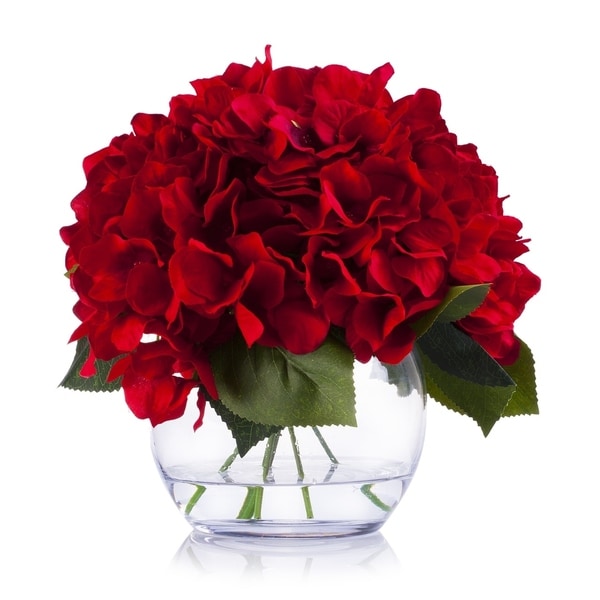 A large, full hydrangea bloom in a vase. The petals are a deep, vibrant red.
 A row of hydrangea bushes with hot red blooms. The flowers are in full bloom and are very bright and eye-catching.
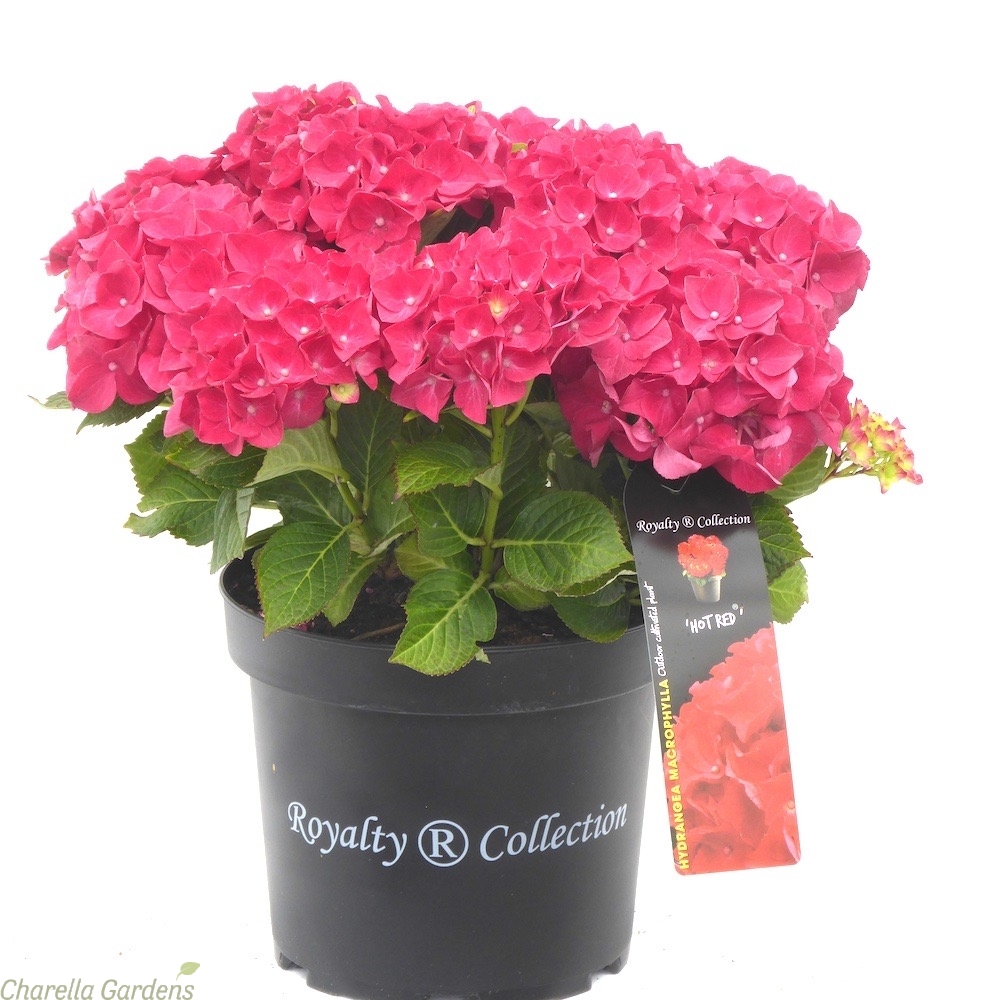
 A bouquet of hydrangea blooms in hot red. The flowers are mixed with other flowers, such as roses and lilies, but the hot red color of the hydrangeas really stands out.
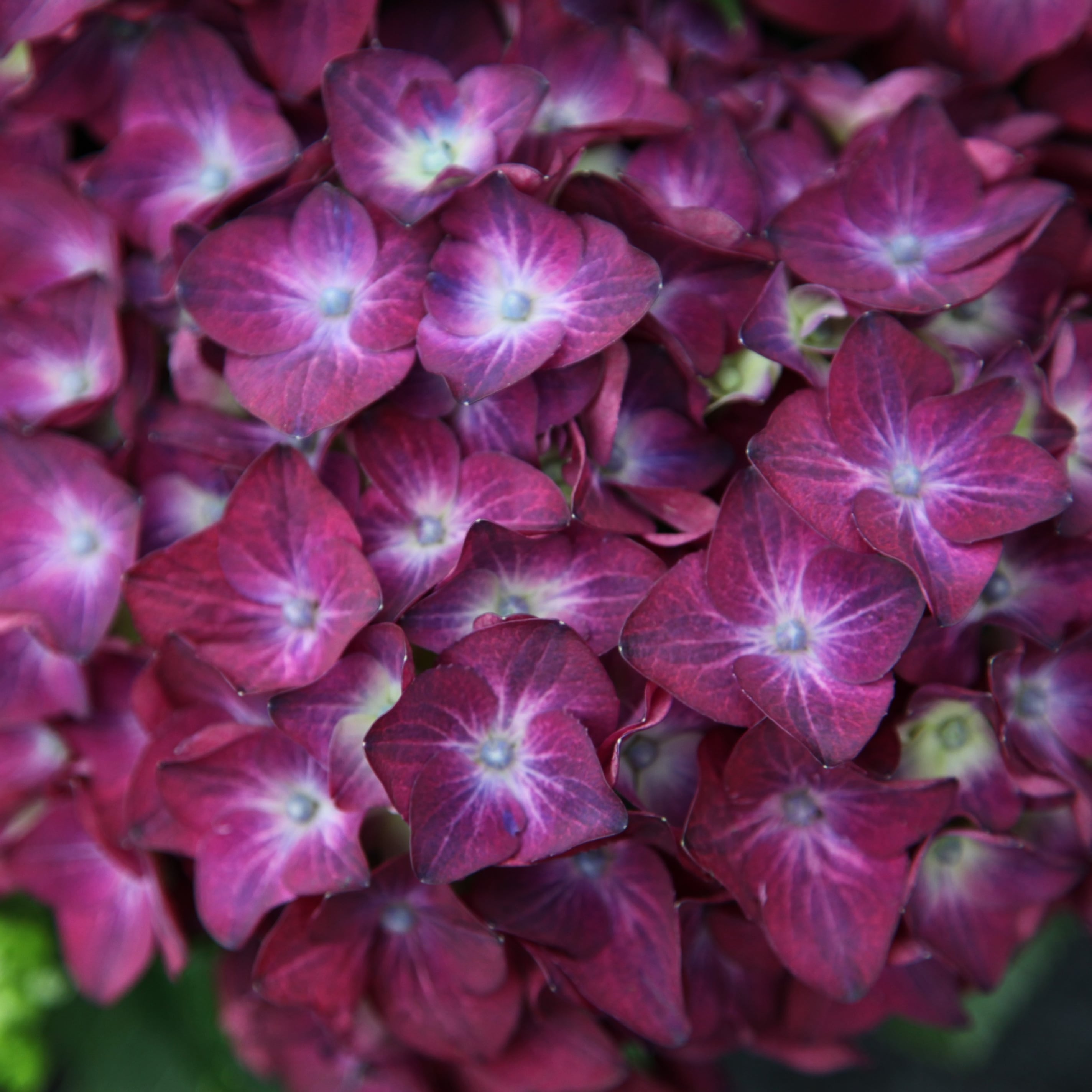
- A close-up of the petals of a hydrangea bloom in hot red. The petals are very delicate and have a slightly wavy edge.


Post a Comment for "Hot Red Hydrangeas: The Ultimate Guide To Growing And Caring For These Beautiful Shrubs"